Why This Work Mattered
I joined the Nakuja Project because I wanted to work on engineering problems where failure was physical, visible, and expensive.
Rockets are honest systems. Bad assumptions fail quickly.
They force clarity, punish hand-waving, and demand discipline in design, testing, and decision-making. Success depends less on clever ideas and more on whether the system actually works when ignition happens.
That was what drew me to propulsion.
What kept me there was realizing that rockets are never just about rockets. They depend on teams, test systems, documentation, iteration speed, institutional trust, and whether knowledge survives the people who built the first version.
Nakuja's mission is ambitious: build a liquid-propellant rocket capable of placing nanosatellites into low Earth orbit and make Kenya an active contributor to the global space economy.
The work is open source, low-cost, student-operated, and built in partnership with the Kenya Space Agency.
That combination — serious engineering with institutional ambition — is why I stayed.
Systems I Changed
Scaling the Team from 6 to 40+ Contributors
One of the first things I noticed at the Nakuja Project was how much progress depended on a very small group of people.
An undergraduate team of six researchers was carrying most of the technical work across propulsion, avionics, structures, and mission operations. The challenge was not a shortage of ideas, but limited execution capacity and too much critical knowledge concentrated in too few people.
I proposed and led the creation of an internship pipeline that grew Nakuja into a multi-university engineering community of more than 40 active contributors.
This involved building structured onboarding, technical mentorship, clearer documentation, and stronger collaboration across sub-teams. New contributors needed enough context to become productive quickly, and knowledge needed to remain accessible after people moved on.
The result was faster iteration, stronger institutional continuity, and a team that could move beyond isolated experiments toward repeatable engineering progress.
That growth contributed directly to the successful N-2 launch, long-term program sustainability, and stronger collaboration with the Kenya Space Agency.
Engineering That Survived Peer Review
I co-authored two peer-reviewed research papers based on propulsion systems developed within the Nakuja Project and served as primary author on one.
The work focused on the design, testing, and validation of solid rocket motors for student-built sounding rockets:
- Development of Solid Propellant Motor for Low Altitude Model Rockets — N-2 motor (35 N average thrust, 500 m target altitude)
- Development of a Solid Propellant Motor for High-Powered Model Rockets — N-3 motor (151.7 N average thrust, ~1.6 km simulated apogee)
The value of the work was not in writing the papers, but in being able to defend the engineering decisions behind them.
Every choice had to be justified: grain geometry, propellant composition, nozzle profile, burn behavior, and whether the test data was reliable enough to support design conclusions.
Both papers were presented at the Sustainable Research and Innovation Conference, and both received Best Presentation awards. It was the first time in more than a decade that student-led work received that level of recognition in the proceedings.
That mattered because it showed the propulsion work held up under independent technical scrutiny.
Engineering Impact
Most of my work sat at the intersection of analysis and build cycles — improving how the team designed, tested, and learned from each motor iteration.
+5% Motor Efficiency
Numerical performance analysis using MATLAB simulations and OpenMotor, validated against static-fire test data, produced burn-rate optimizations that improved motor efficiency by 5% over the previous baseline design.
Small efficiency gains in propulsion carry real consequences. A few percentage points can decide whether a design is flight-ready or whether the motor architecture needs fundamental reconsideration.
+10% Testing Efficiency / −15% Turnaround Time
I helped design and establish a new solid rocket engine test facility with a custom data acquisition system and real-time performance monitoring.
The new setup reduced post-test processing overhead and improved turnaround time by 15%, allowing faster design iterations and stronger test reliability across the propulsion team.
−50% Data Analysis Time
I worked with a teammate to build a Python automation pipeline for processing test-stand data from static-fire tests.
Before that, moving from raw sensor output to usable engineering insight took too long and slowed iteration. The pipeline automated data cleaning, processing, and performance interpretation — reducing analysis time by 50% and enabling more test iterations within each sprint.
+15% Motor Thrust
Post-test analysis identified propellant composition and grain geometry as the variables with the greatest influence on thrust performance.
By comparing simulation results with static-fire data, we located where performance losses were occurring and which changes would produce the most meaningful improvement. Adjustments to propellant composition and grain design delivered a 15% increase in thrust output.
The improvement came from understanding the system more precisely, not from simply increasing effort.
Manufacturing and Test Discipline
I supported fabrication and assembly of solid rocket motor components — propellant grain preparation, motor casing assembly, and nozzle integration — under strict quality and safety procedures.
Across manufacturing, testing, and launch operations, the propulsion program maintained a clean safety record while completing its first integrated propulsion system test launch.
What Operating This Taught Me
Rockets Are Systems Problems
Working with the Kenya Space Agency changed how I thought about what the Nakuja Project was actually building.
KSA facilitated launch clearances and hosted our team at the Broglio Space Center in Malindi — Kenya's historic satellite tracking facility. Seeing the ground station infrastructure, satellite dish arrays, and orbital operations firsthand made something concrete: the rocket is only one layer of the problem.
Launch vehicles, mission operations, tracking infrastructure, regulatory approvals, and institutional partnerships all determine whether a space program delivers payloads. A motor that performs perfectly on a test stand but cannot get launch clearance is not a working system. A program that builds excellent hardware but has no path to orbit has not yet solved the actual problem.
The hardest engineering challenges are rarely isolated technical problems. They are system problems that look like technical ones until you zoom out far enough to see the full picture.
The Team Is the Infrastructure
Growing Nakuja from 6 to 40+ contributors taught me something about engineering programs that motor testing never could.
Knowledge that lives in one person is not institutional knowledge. It is a countdown timer.
Critical propulsion know-how — propellant chemistry, fabrication procedures, test stand operation, failure mode analysis — that exists only in the heads of two or three people cannot sustain reliable iteration. When those people graduate, the program restarts from a lower baseline.
The most durable thing I built at Nakuja was not a motor. It was the onboarding structure, technical documentation, and mentorship culture that let the program carry forward knowledge across cohorts. A program that absorbs new contributors quickly and preserves what it already knows is one that compounds over time instead of cycling.
Platform Scale
The Nakuja Project has grown from a 6-person research group into a multi-university engineering community working toward orbital launch capability.
The rocket series has validated progressively harder targets across five vehicles:
| Rocket | Launch | Avg Thrust | Apogee |
|---|---|---|---|
| N-1 | May 2021 | — | 34 m recorded / 285 m simulated |
| N-2 | November 2022 | 35 N | 500 m target altitude |
| N-3 | January 2024 | 151.7 N | ~1,637 m simulated |
| N-3.5 | May 2024 | — | >1,000 m first achieved |
| N-4 | 2024– | — | In development |
The propellant uses a potassium nitrate / sucrose-dextrose mixture chosen for availability, cost, and predictable burn characteristics. Every design is validated through static-fire testing on a purpose-built thrust stand instrumented with load cells and a custom data acquisition system.
Both published research papers received Best Presentation awards at the Sustainable Research and Innovation Conference — the first student-led work to receive that recognition in more than a decade.
The program operates in collaboration with the Kenya Space Agency and maintains an open-source model with public hardware and software repositories.
How I Think
Engineering leverage comes from three places.
Better models. If you can predict motor behavior before fabrication, you spend time on iteration rather than diagnosis. Every hour of simulation before a static fire is worth multiple hours of post-failure analysis.
Better systems. Strong test infrastructure outperforms individual heroics. A DAQ that logs reliably, a test stand that produces clean data, a pipeline that removes manual processing — these multiply the value of every experiment the team runs.
Better people. Technical work compounds only when knowledge survives the individuals who created it. Building the internship pipeline was not a management task. It was an engineering investment in the program's ability to keep learning.
That is why I care equally about propulsion models, test infrastructure, and team onboarding.
They all answer the same question: how do you turn a design hypothesis into a verified data point before it becomes a launch-day assumption?
Photo Gallery
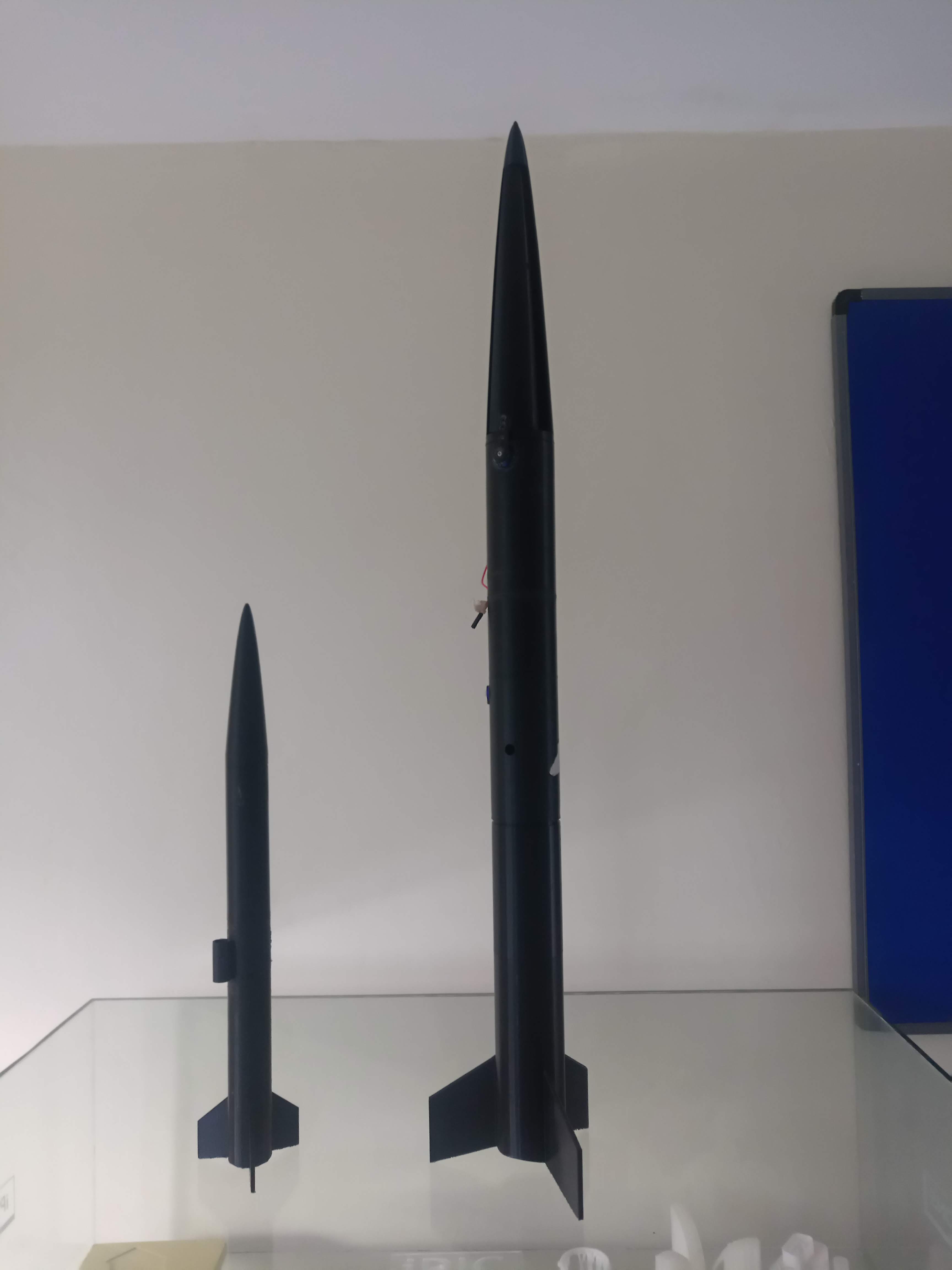
N-1 and N-2 rocket models
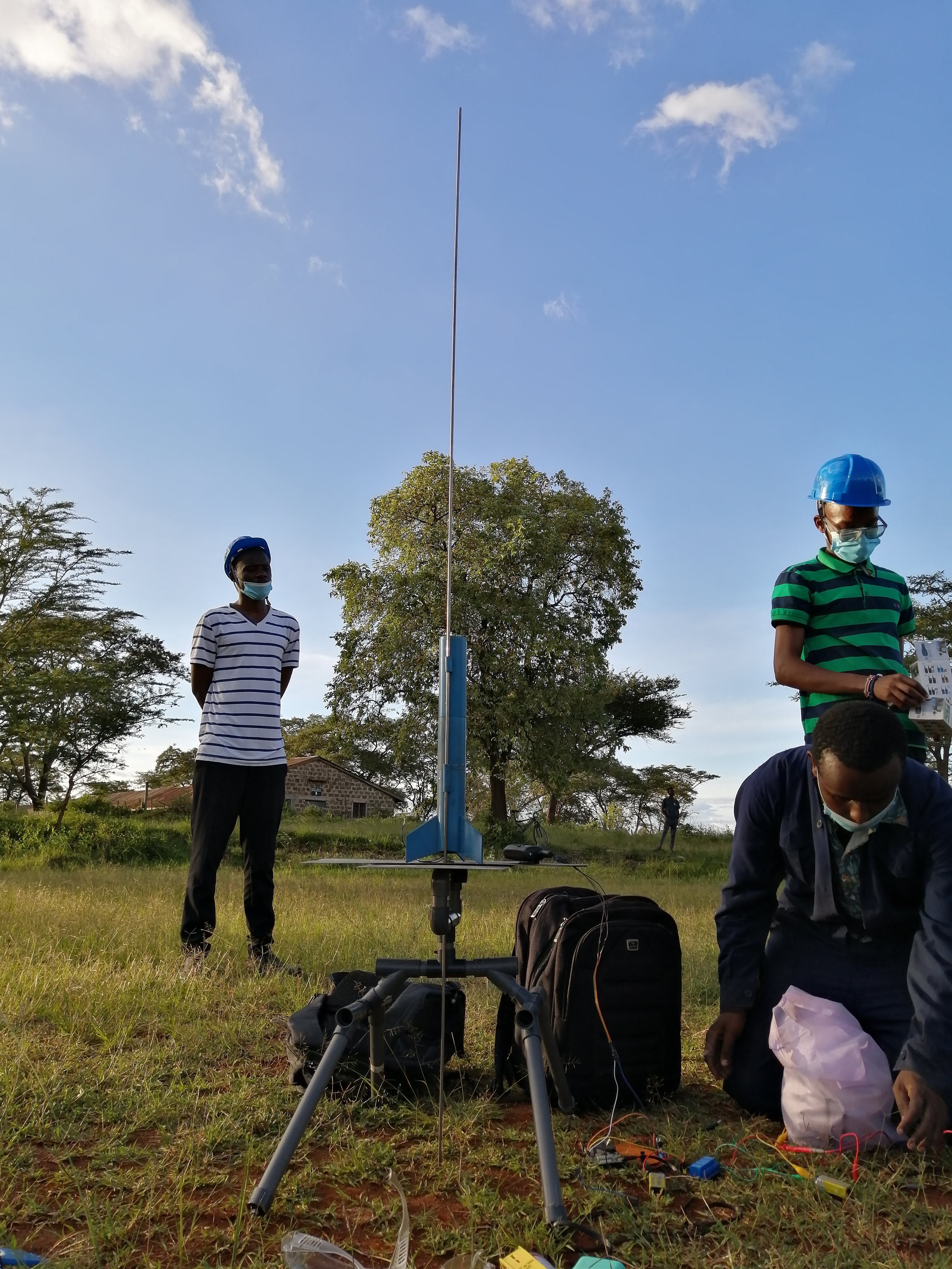
N-1 launch prep in the field
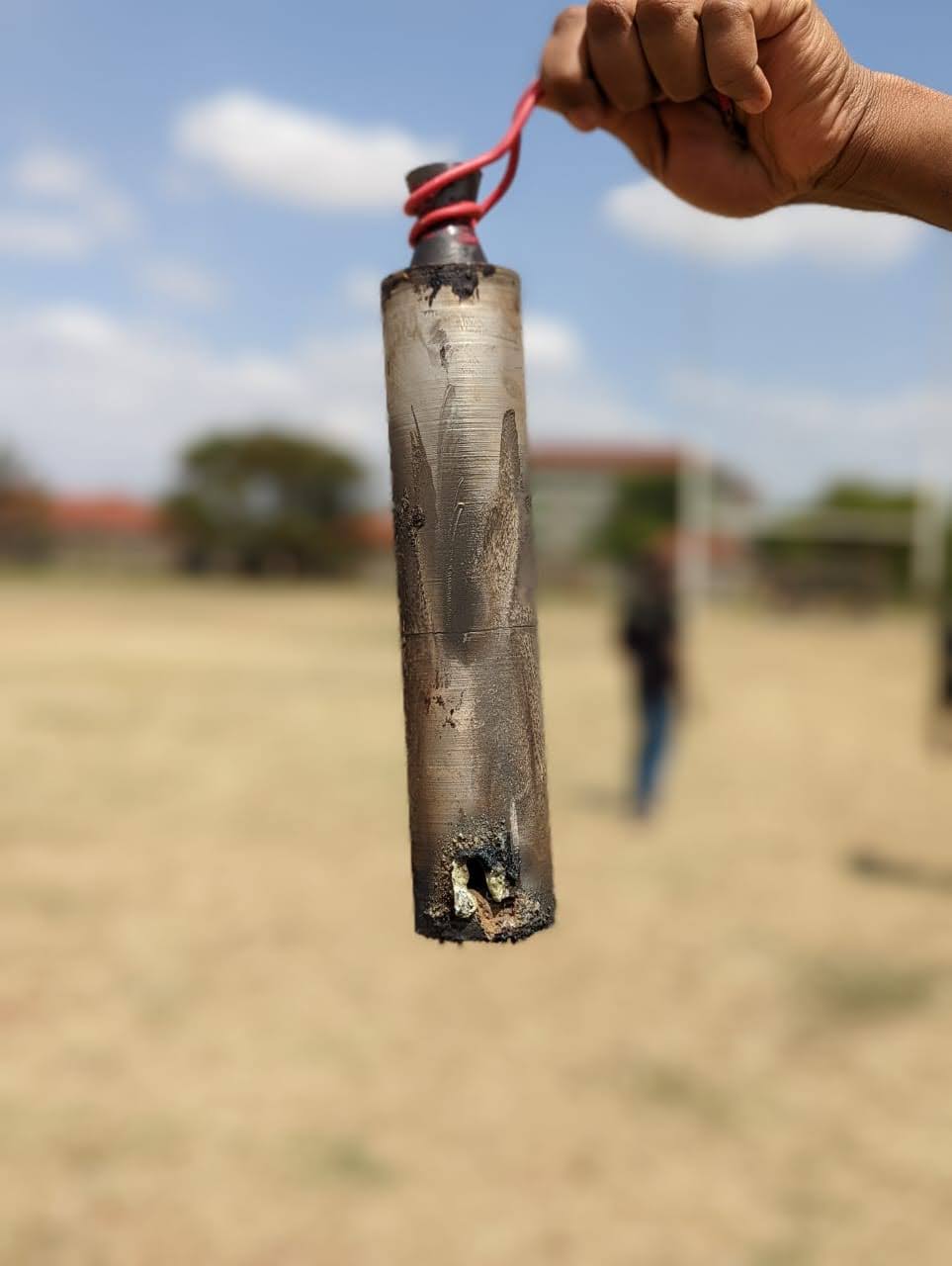
Post-fire solid motor casing
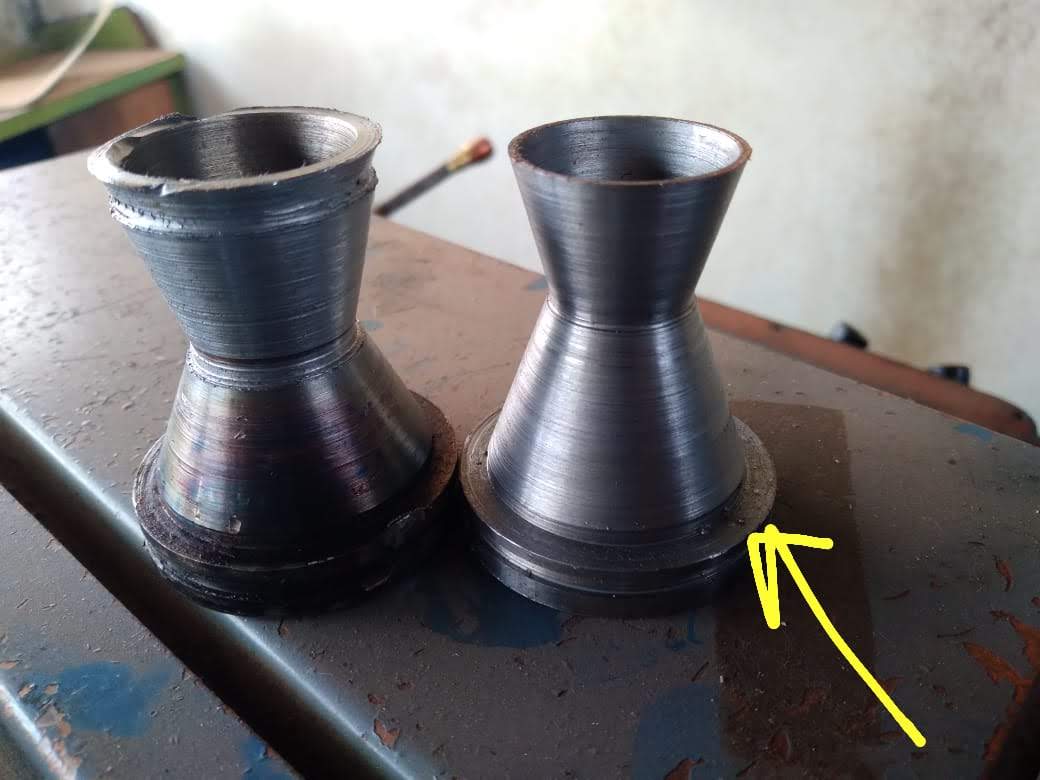
Machined convergent-divergent nozzles
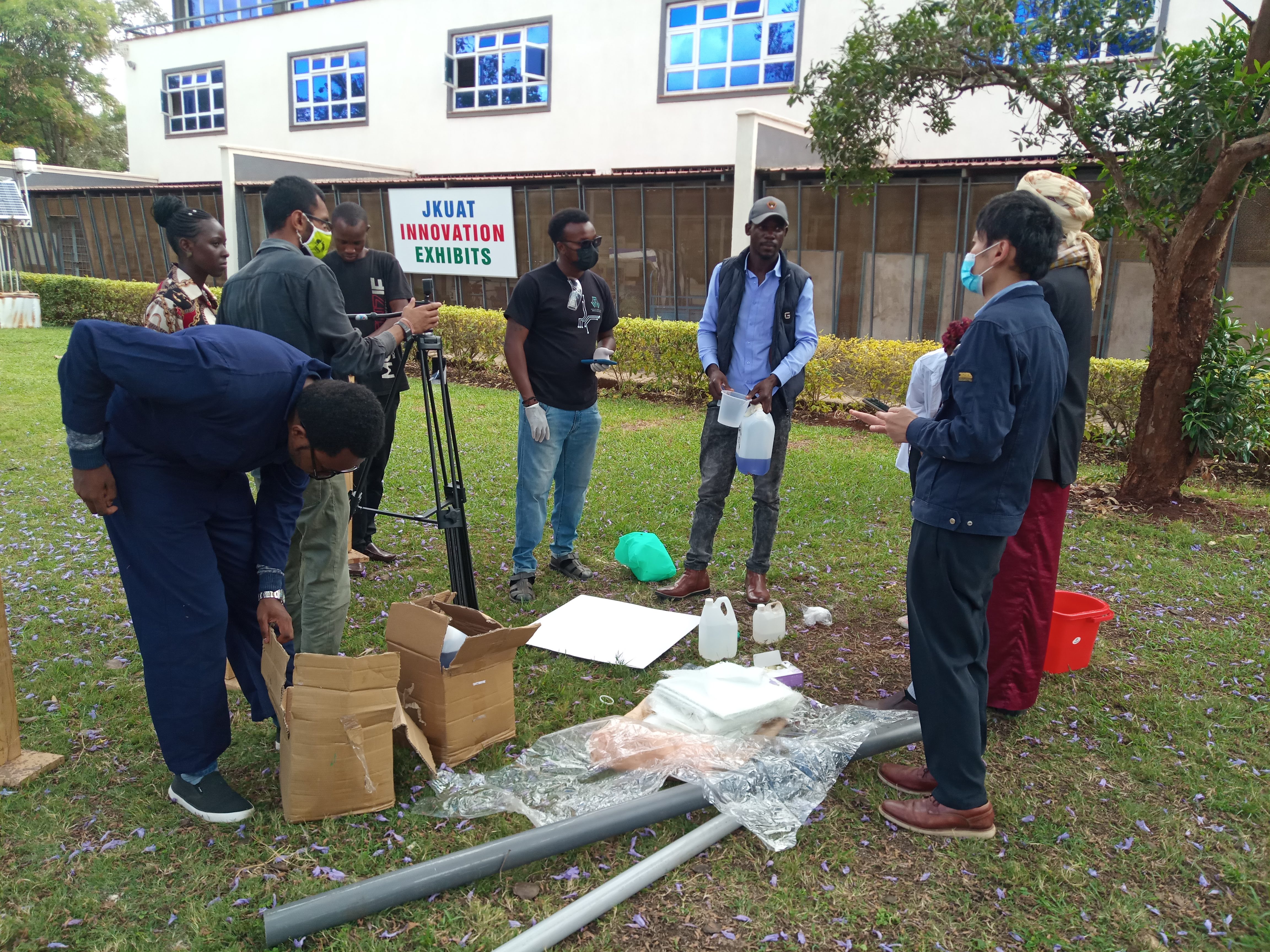
JKUAT Innovation Exhibits
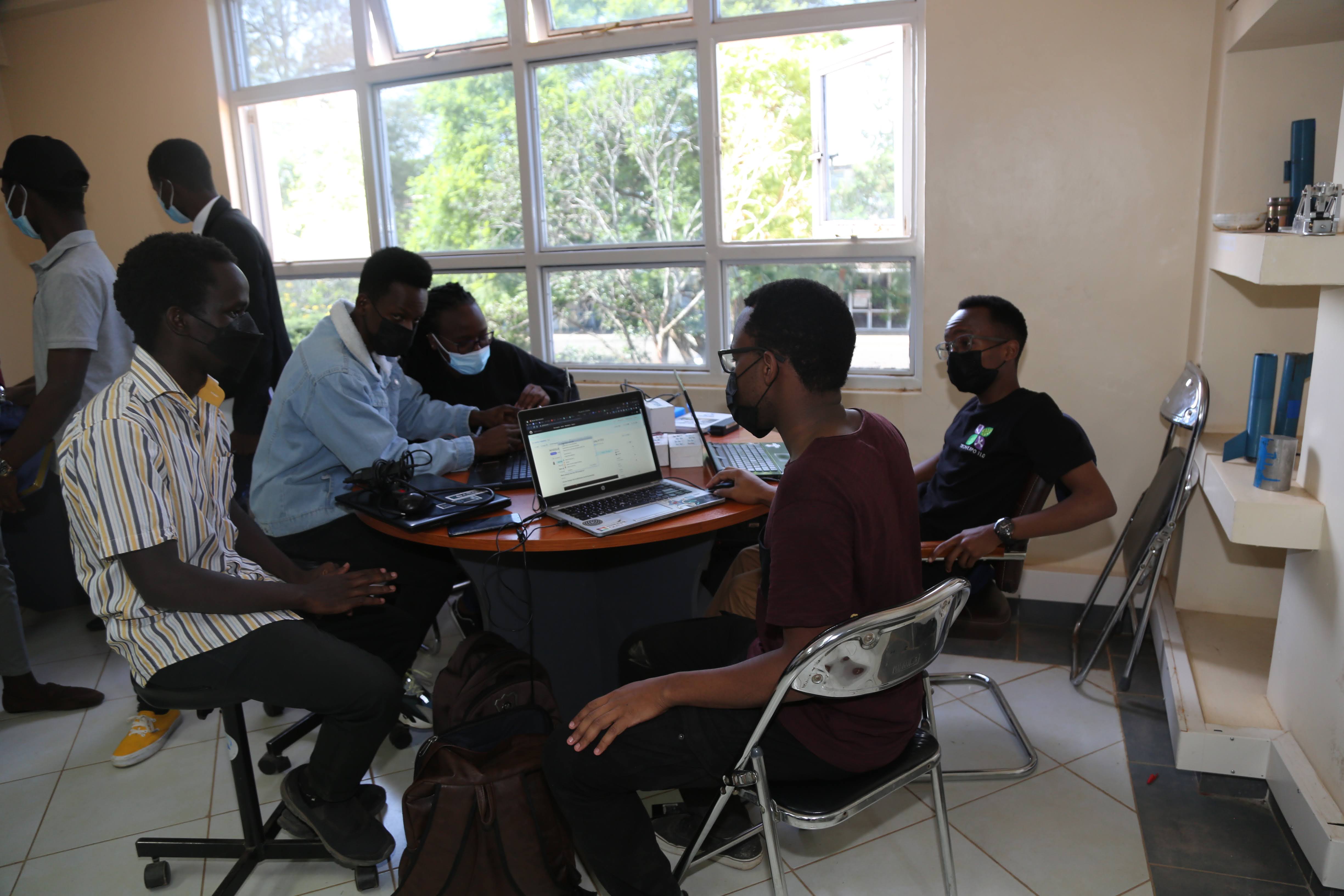
Team design session
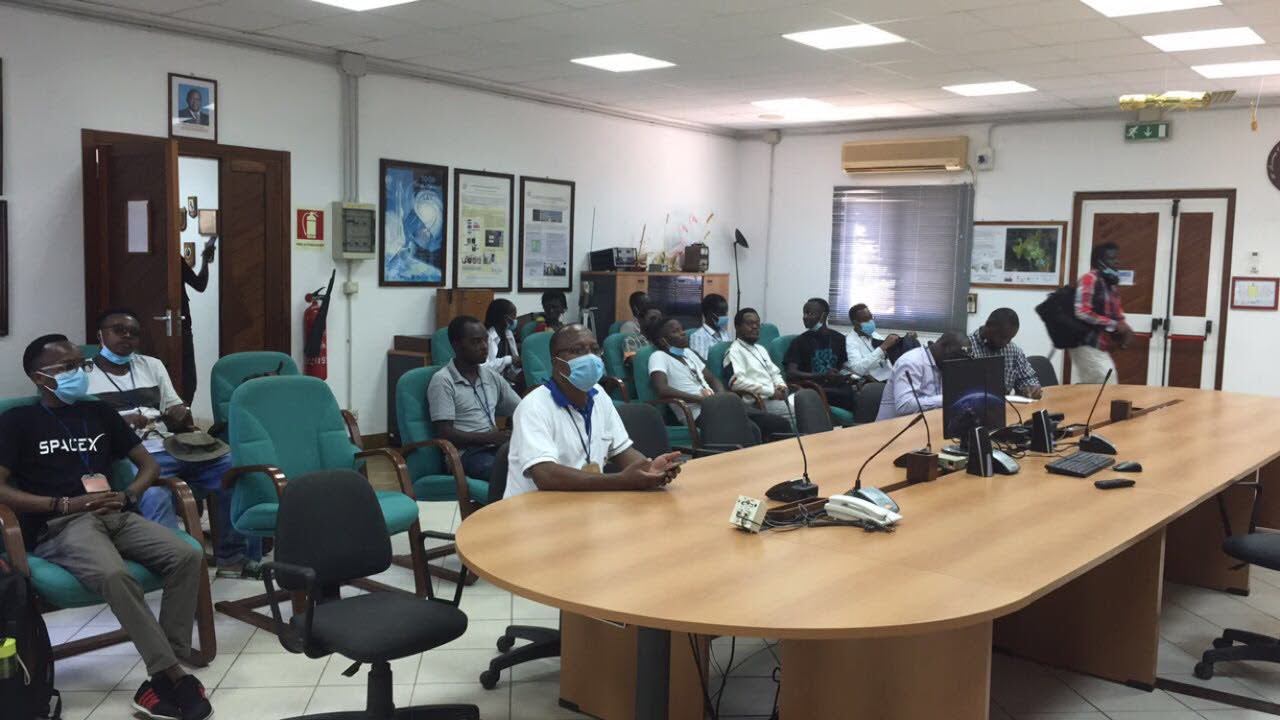
At Broglio Space Center, Malindi
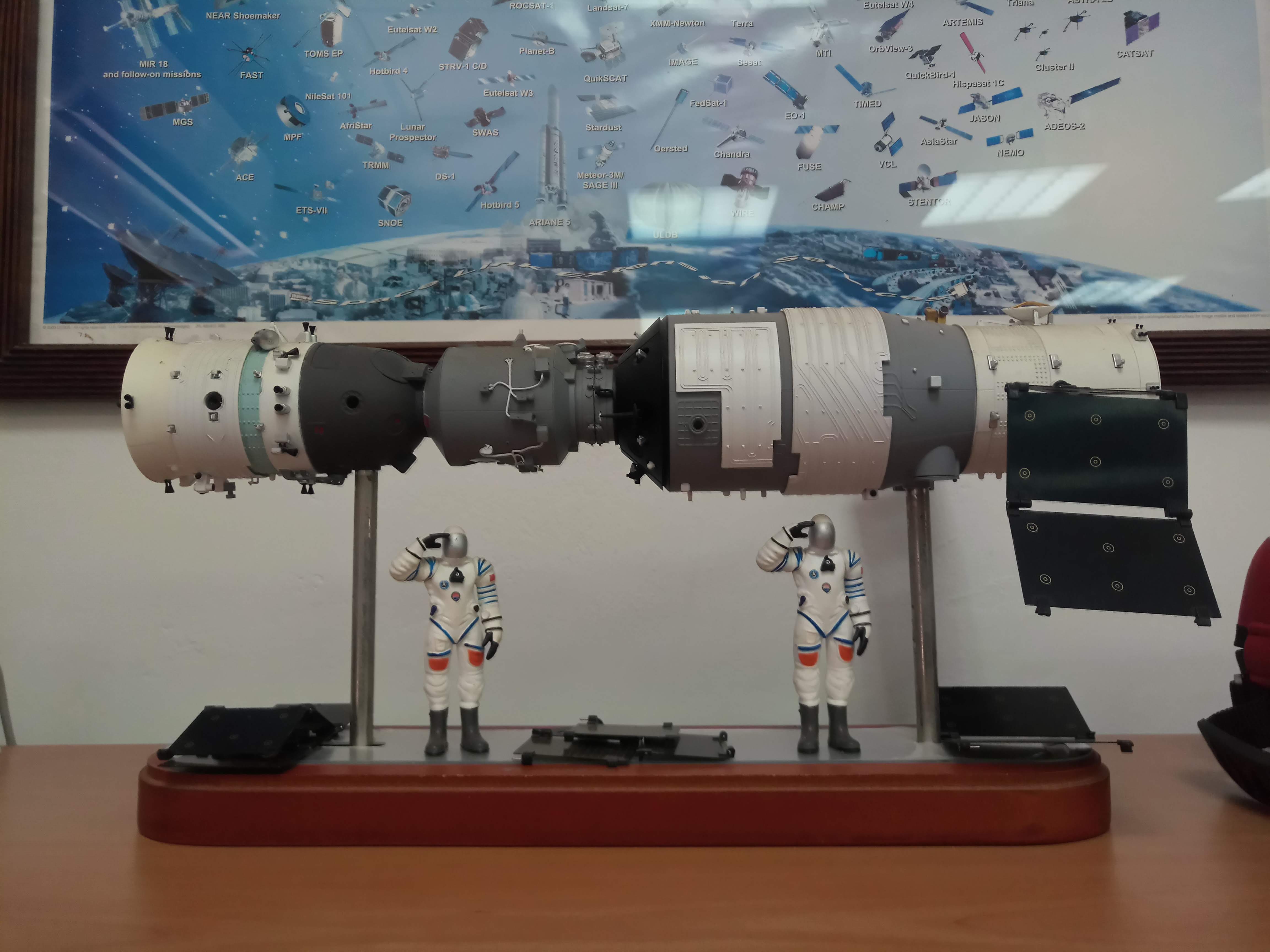
Broglio ground station dishes
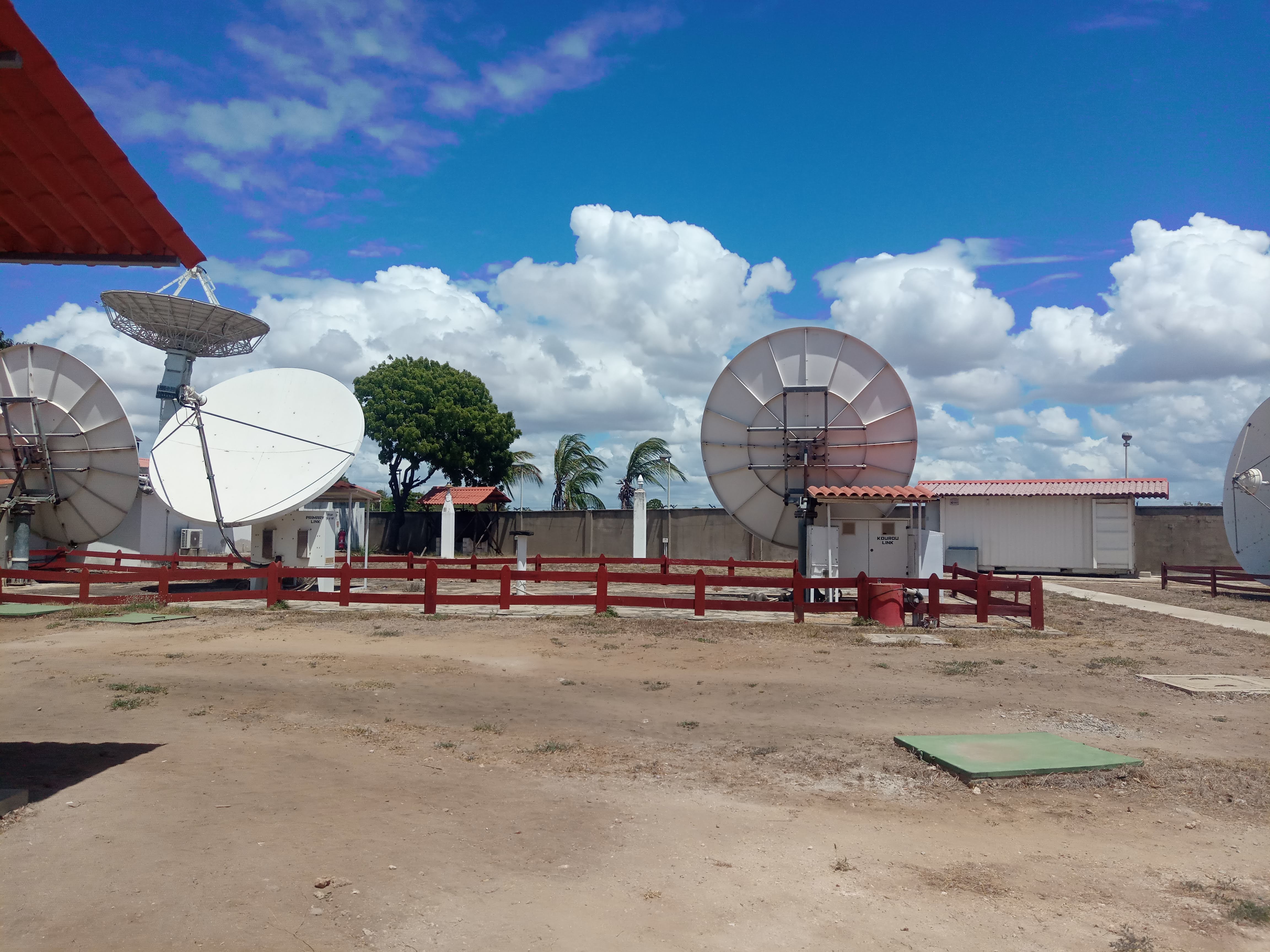
Broglio satellite tracking array